
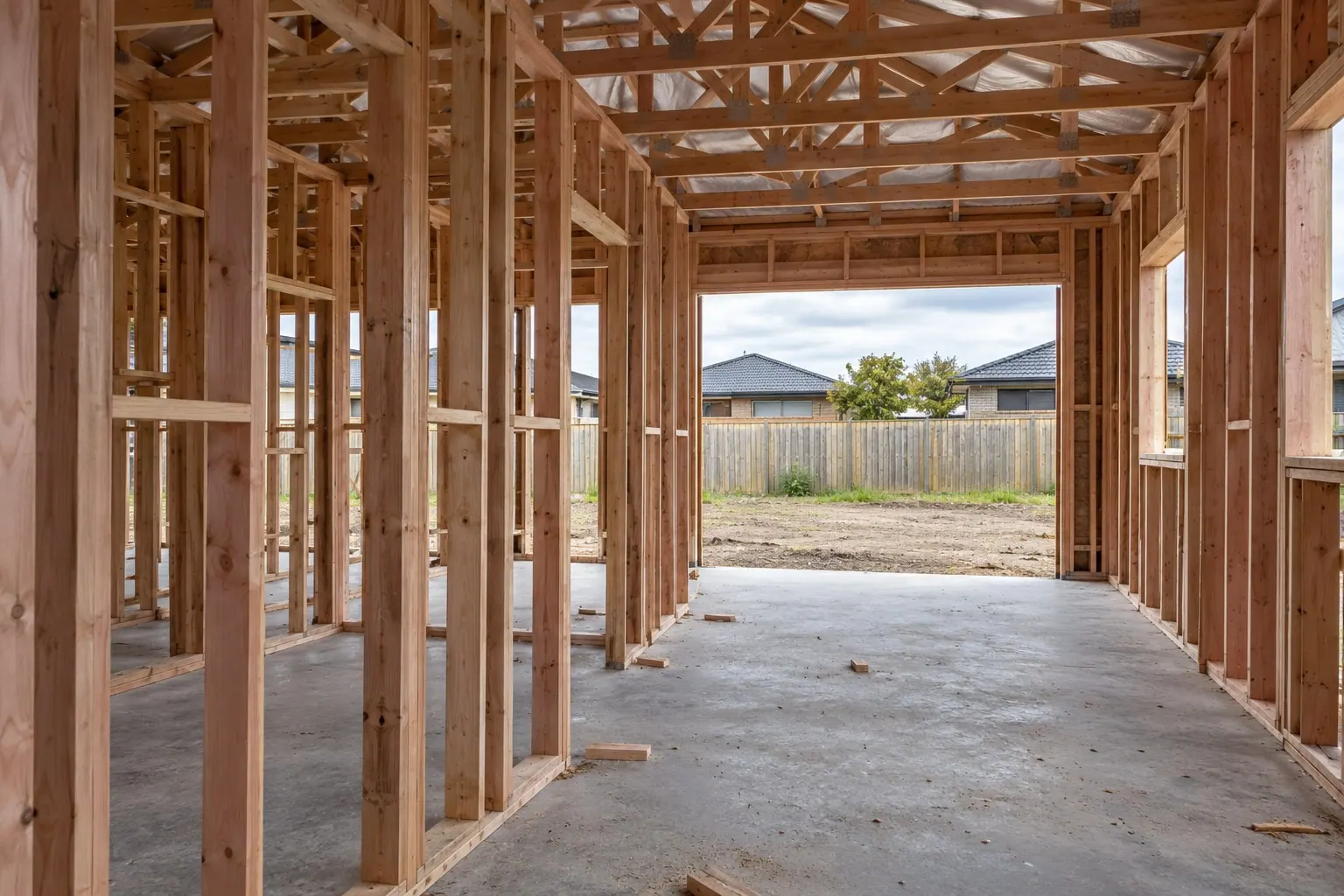
What should “solar-ready” mean in your contract?
The phrase is too broad to price on its own. Ask the builder to describe the actual work: planned roof area, equipment positions, cable pathways, switchboard provision and any communications cabling. Then have the solar designer confirm whether that preparation suits the intended system.
MBIE recommends discussing solar readiness with your electrician when building. The useful next step is a drawing and schedule that both the building team and future installer can read.
Use two headings in the specification: “included at handover” and “still required to install solar”. Ask who signs off the preparation, and keep exclusions beside the price.
Reserve a workable roof area before placing the other services
Ask for a preliminary panel layout on the roof plan. Coordinate it with skylights, flues, vents and access requirements before those positions become fixed. Give the designer the actual roof dimensions and pitch, rather than only the house floor area.
BRANZ’s PV installation guidance covers mounting and wind-load requirements. Ask the building and solar teams to identify who is responsible for these checks, and for keeping any planned roof penetrations watertight.
If appearance is important, review the layout from the street as well as from above. A conversation about visible panels and cable routes is easier before the roof and exterior finishes are complete. For Christchurch sites, use the roof suitability guide to prepare the shade and orientation questions.
Agree routes before agreeing cable
Give the electrician a proposed system arrangement to work from. Ask them to specify suitable pathways and any wiring for that design. Avoid accepting an unexplained “solar cable” allowance as the whole preparation package.
| Item | What to record |
|---|---|
| Roof to equipment | A documented route, access arrangements and responsibility for any penetrations. |
| Switchboard | The provision allowed for solar, metering, protection and any future changes, as specified by the electrician. |
| Equipment location | The proposed inverter position and access for installation and maintenance. |
| Monitoring | How the chosen system will connect to monitoring and any controls. |
| Separate garage or shed | The proposed supply arrangement and any route to the main house. |
Ask the electrician to photograph concealed work and mark it on the final drawings. Labels and records should be understandable to an installer who did not work on the build.
Make battery and backup plans explicit
If a battery is likely, ask the solar designer to assess a location and list the equipment assumptions. Have them check the proposed position against the selected product’s instructions and applicable installation requirements. Do not commit a cupboard or garage corner solely from an equipment brochure photograph.
A battery is optional, and backup operation requires the right system configuration. EECA explains these choices. In the brief, name any circuits you want supported during an outage and ask what additional preparation they require.
For a future battery, ask which models the proposed equipment supports today, what extra hardware would be needed, and which parts of the design might need revisiting later. A promise of compatibility with unspecified future products is difficult to assess. Our battery decision guide covers the broader purchase decision.
Include hot water and EV plans in the same conversation
Record the water-heating model, proposed controls and where an EV would park. Ask the designer to describe how these choices affect the solar design and electrical work. If you are deferring the car charger, state exactly what preparation is included now.
EECA notes that some hot water heat pumps support flexible controls, with features varying by model. Check the actual product before specifying a control system. See EECA’s guidance on coordinating household electricity use.
Our timer, diverter and battery comparison explains the hot-water choices. It is useful to settle that part of the brief before buying separate devices that each try to control the same surplus electricity.
Choose between installing now and preparing for later
Ask for two itemised scopes: installing solar during the build, and completing the agreed preparation only. Identify which access or construction work overlaps with the build, and what would have to be arranged again for a later installation.
Do not assume a fixed saving for installing during construction. Have the builder explain any shared costs and the installer identify what is still separate. Keep system equipment, building preparation and connection work visible in the comparison.
For a Canterbury new build, establish the lines company and connection application requirements early. If the connection is on Orion’s network, start with the Orion approval guide. Preparation inside the house does not establish network approval or an export limit.
Keep these records at handover
- The final roof layout and any reserved panel area.
- Drawings and photographs of concealed routes and preparation.
- The electrician’s description of what has actually been installed.
- Equipment locations, model assumptions and future compatibility notes.
- Any electrical certification for work carried out.
- A list of remaining installation and connection steps.
Walk through the scope before signing off the work. If the preparation changed during construction, have the drawings updated while the people who made those changes are still involved.
Common questions
Do I have to buy the panels before the house is finished?
No. You can prepare for a later installation. A preliminary design helps make that preparation specific enough to be useful.
Is one empty conduit enough to call a house solar-ready?
Ask what design it serves and what else is needed. Route, access, equipment locations and electrical provision should all be described in the scope.
Should every new build include a battery?
No. Ask for a separate battery and backup proposal so you can assess it against the household’s needs and budget.
Compare solar quotes
Give each installer the same brief.
Share your property details and the decisions you want the proposal to cover.
Get solar quotesSources and related guides
Source links appear beside the relevant guidance. Information reviewed on 1 October 2026.
Find more NZ solar guides or browse the Canterbury guide for regional planning questions.