Long-run metal, corrugate and tray roofing
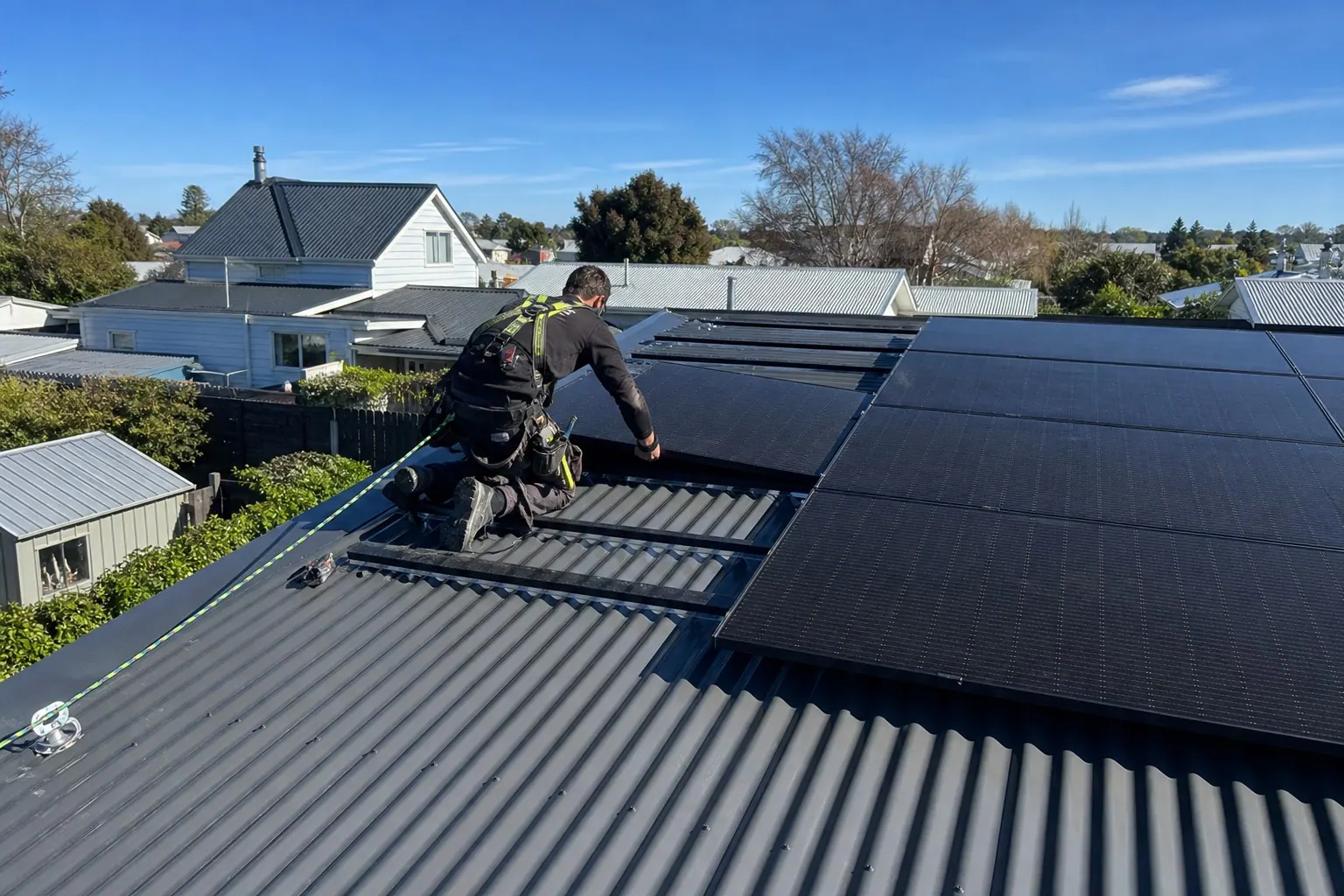
The quote should account for mounting, penetrations, roof age, access, edge protection and whether roof work is due first.
 Get quotes
Christchurch and Canterbury solar quotes
Send one request and we pass the same brief to installers who work in your part of Canterbury. Compare their prices, equipment and warranties side by side. You choose the installer, or none.
Local buying context
Two houses on the same street can get very different quotes. Roof, shade, winter heating, hot-water timing and your lines company all move the price and the savings. [1] [2]
The quote should account for mounting, penetrations, roof age, access, edge protection and whether roof work is due first.
Solar pays back fastest when someone is home to use it during the day. Canterbury winters push heating into the evening, so check the daytime share honestly. [3]
Orion, MainPower, EA Networks and Alpine Energy each approve connections and set export limits. Orion now requires dynamic-capable inverters.
Get the battery and any loan priced separately, so you can see what the solar alone costs and saves.
Buyer-first comparison
We do not install anything, so we have no reason to push a bigger system or a battery. Our guides tell you what a fair quote looks like. The installers do the site visit and the design.
If a quote only looks good until you get a second one, it was not a good quote.
Installers still need to complete their own site checks, system designs and formal quotes.New Zealand solar guides

EECA price markers, regional cost factors, payback, batteries and the quote details worth checking.
Read the cost guide
A practical guide to evening use, backup power, battery-ready quotes and when solar-only is the cleaner comparison.
Read the battery guide
Roof condition, fixings, warranties, consent exemptions and the questions to ask before mounting panels.
Read the roof guide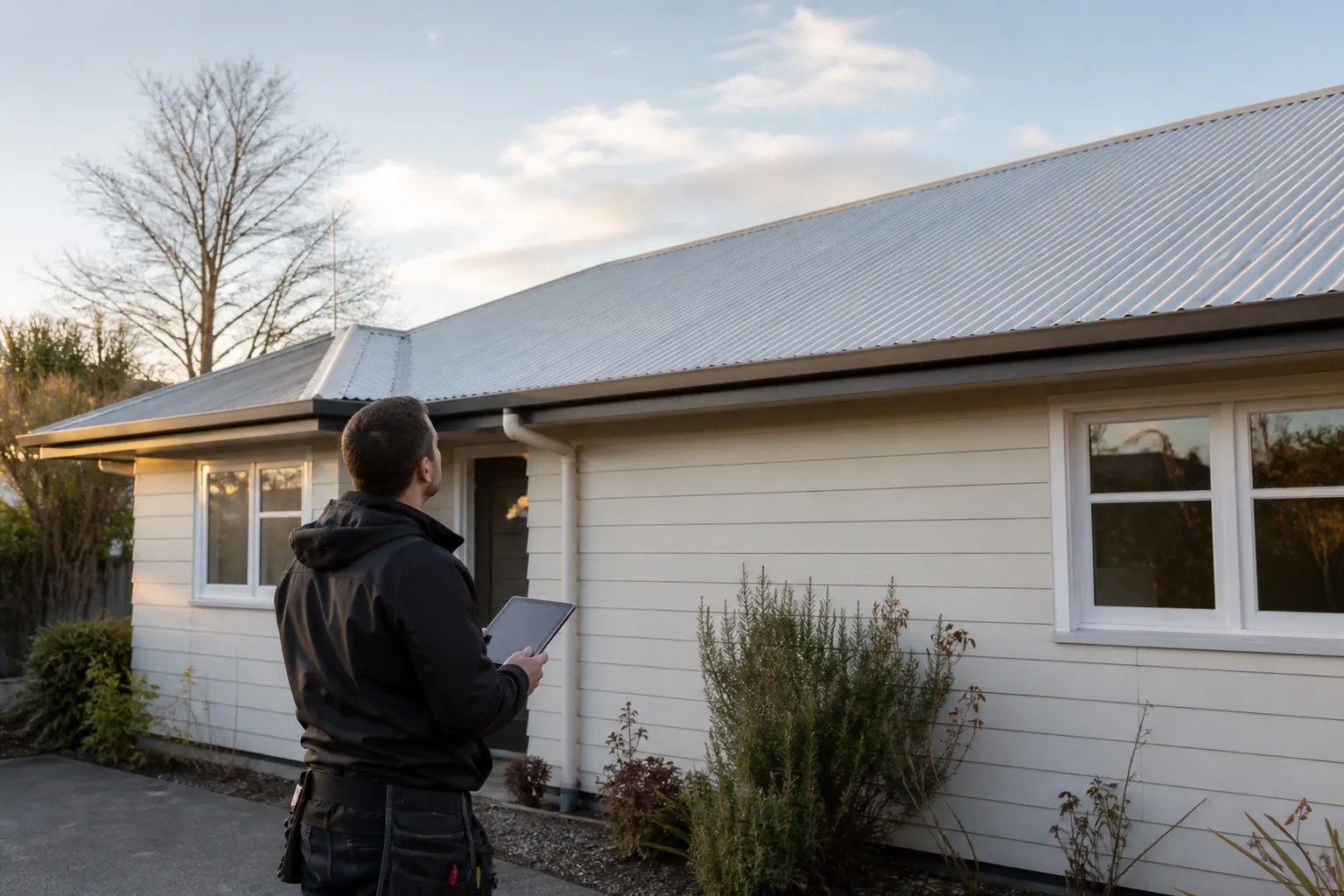
The common quoting mistakes around system size, export, roof condition, finance, batteries and aftercare.
Read the mistakes guide
Compare bank top-ups, repayment pressure, battery finance and what needs to be itemised before you borrow.
Read the finance guideSavings estimate
Long-term model $44,500 estimated bill reduction over 25 years before site-specific checks.
Turn this into real quotesQuote checklist
Our independent role
Use NZ Solar to compare the price, equipment and scope before you commit. Our buyer guides draw on published New Zealand sources. Installers assess your property and provide their own designs and quotes; you decide whether to proceed.
Installer matching
Suburb, power bill, property type, roof notes, battery interest, timing and contact details.
We use your property, region and project details to identify suitable installer introductions.
Any installer introduced remains responsible for site assessment, design, pricing, warranties and compliance.
Look at installed cost, assumptions, battery value, finance terms and aftercare before choosing.
Solar finance
EECA says most major New Zealand banks offer zero or very low interest home energy loans, often as mortgage top-ups. Before relying on a rate, check the current lender page, eligibility, repayment term and what happens when the special rate ends. [4]
Property scenarios
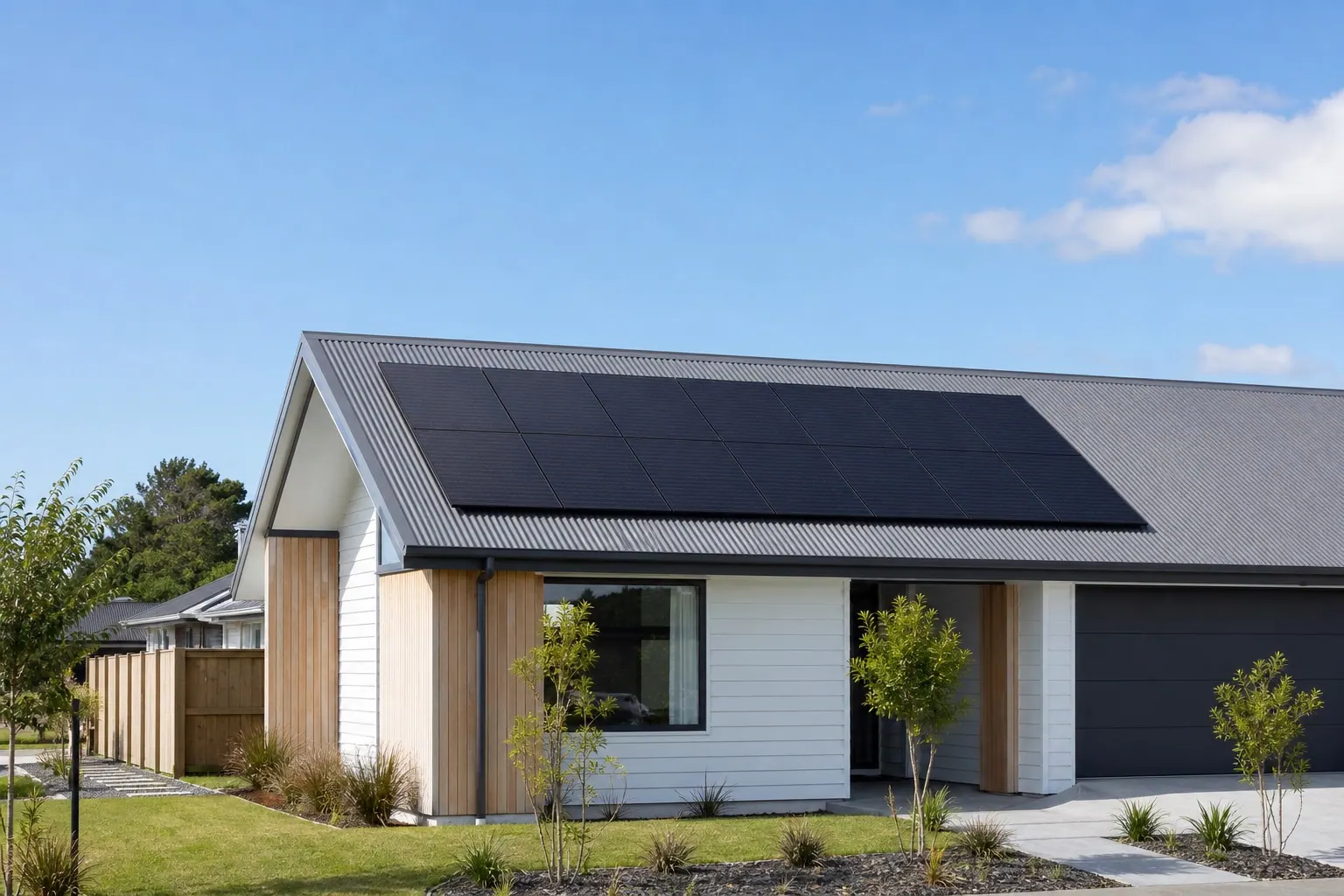
Often about system size, hot-water timing, roof access, export assumptions and payback.

Often about cable paths, inverter location, battery-ready design and getting solar into the build sequence.
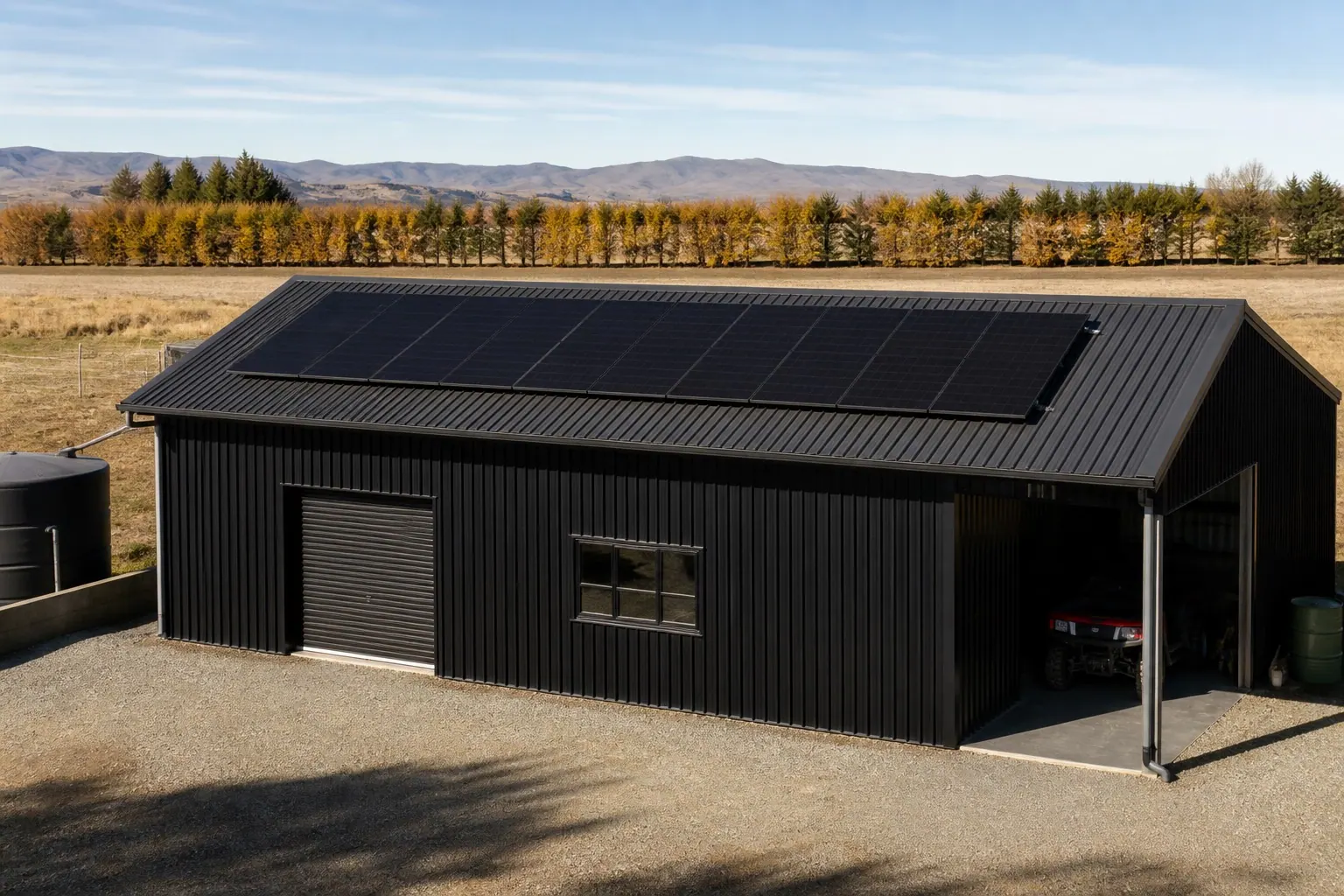
Often about daytime loads, pumps, sheds, three-phase supply, backup needs and network checks.
Quote requests across Canterbury
Common questions
Yes. Homeowners can submit a request without paying and without committing to buy.
It depends on your area and the job. We would rather send you to two installers who suit the job than five who do not.
NZ Solar is an independent quote matching and information service. Installers provide the system design, pricing and installation. We may receive referral fees from installer introductions; requesting quotes is free. Read how the service works.
For a first price, yes. Before you sign, get the installer on site. EECA says it is best to choose an installer who can come to your home and do an onsite assessment. [2] Aerial images cannot show the roof's condition, the switchboard or the cable route, so make the final price depend on that visit.
Keep it small and pay by card. Consumer NZ suggests a deposit of about 10% and warns that an unusually large one can be a sign of cash-flow problems. [7] If the installer goes into liquidation before your system goes in, your deposit makes you an unsecured creditor, and you may get back only a fraction of it or nothing. A credit or debit card payment may let your bank reverse the charge through a chargeback, so pay that way where you can, keep the receipt, and leave the balance until the system is installed and signed off.
Check the business as carefully as the price. EECA suggests checking whether the company is newly established or has previous solar experience and references from past customers, and asking for a reference from a recent customer. [2] Get the warranties in writing and compare them with EECA's minimums: 5 years on workmanship and string inverters, and 10 years on panels, microinverters and lithium-ion batteries. [2] A warranty is only worth as much as the business behind it, so a long-running installer with checkable customers is the safer choice. EECA has published final criteria for endorsing installer accreditation programmes and is taking applications from programme providers, but as of 18 October 2026 it names no endorsed programme, so there is no EECA-backed installer list to rely on yet.
Go back to the installer in writing. If you bought the system outright from a New Zealand business for your home, the Consumer Guarantees Act applies: the panels, inverter and installation must be of acceptable quality, fit for purpose and as described. [8] Describe the fault and when it started, attach photos and the invoice, and say what you want: a repair, a replacement or a refund. For a minor fault the business chooses whether to repair or replace. For a major one you can refuse a repair and ask for a replacement or refund. A business cannot tell you the Act does not apply. If it still will not put things right, take the claim to the Disputes Tribunal or the District Court, depending on its value, and report misleading savings or performance claims to the Commerce Commission. [8] Missing export credits or a delayed meter are a different problem, handled by your retailer and then Utilities Disputes; see who to complain to about export credits. Keep the Certificate of Compliance, warranties and the installer's emails together from day one, because the claim rests on them.
Price it separately. Batteries can help with evening use and backup, but they often change the payback.
Possibly. Check your own bank's current criteria, repayment term, reversion rate and eligible upgrades.
Use the contact page for quote follow-up, guide corrections, privacy requests and installer enquiries.
Sources and assumptions
Ready to get started
Send one request with your property details. Compare the quotes you receive and decide which system, installer and price work for you. No obligation to buy.